Mastering Mornings: Simple Strategies to Get Kids Ready Stress-Free
- Mar 3
- 4 min read
Mornings with kids can feel like a whirlwind. Between waking everyone up, managing breakfast, packing bags, and getting out the door on time, stress can build quickly. But what if you could turn those hectic moments into smooth, calm routines? This post shares practical strategies that make mornings easier for parents and kids alike. From small prep steps to mindset shifts, these ideas help you start the day with less chaos and more confidence.

Prepare the Night Before
One of the best ways to reduce morning stress is to handle as much as possible the evening before. This simple habit frees up time and mental space in the morning.
Lay out clothes for each child, including socks and shoes. Let kids choose their outfits to encourage independence.
Pack backpacks and lunchboxes with everything needed for the next day. Check school notes or permission slips.
Set the breakfast table or plan the menu. Pre-measure cereal or prepare smoothie ingredients in advance.
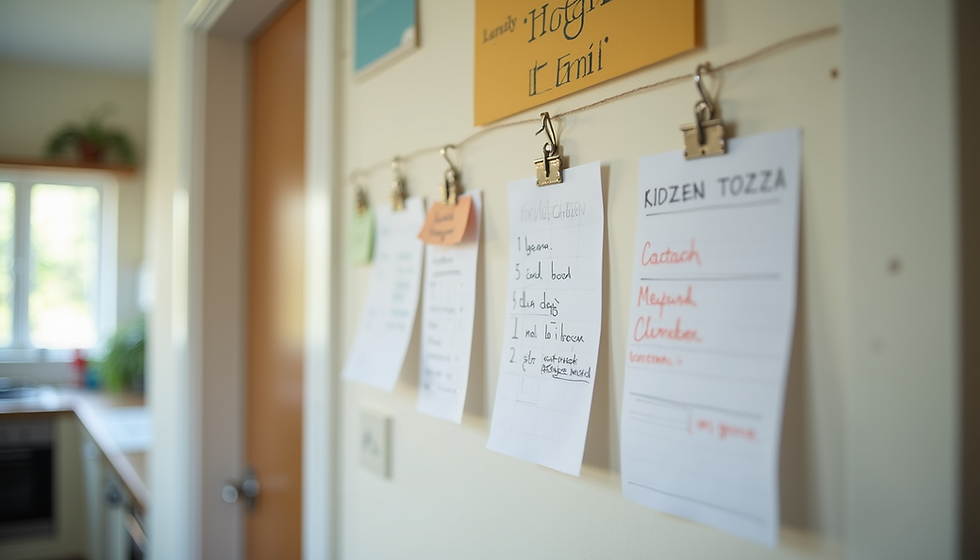
Create a checklist for kids to follow in the morning. Visual reminders help them stay on track.
By doing these small tasks ahead of time, you avoid last-minute scrambles and forgotten items.
Establish a Consistent Wake-Up Routine
Kids thrive on routine, and a steady wake-up time sets the tone for the day. Consistency helps regulate their internal clocks and reduces morning grumpiness.
Use a gentle alarm or wake-up light to ease kids out of sleep.
Allow enough time for a calm start, avoiding rushed moments.
Encourage kids to stretch or do a simple morning movement to wake their bodies.
Use a morning playlist or gentle music to create a positive atmosphere.
A predictable wake-up routine helps kids know what to expect and prepares them mentally for the day ahead.
Break Tasks into Manageable Steps
Large tasks like getting dressed or brushing teeth can feel overwhelming to children, especially when rushed. Breaking these into smaller steps makes them easier to handle.
For example, getting dressed can be broken down into:
Find clothes
Put on underwear
Put on shirt
Put on pants or skirt
Put on socks and shoes
Use visual schedules or charts with pictures to guide kids through each step. Celebrate progress to build confidence.
Use Positive Language and Encouragement
The words you use in the morning can influence your child’s mood and cooperation. Focus on positive language that motivates rather than pressures.
Replace “Hurry up” with “Let’s see how fast you can get dressed!”
Praise effort: “You did a great job brushing your teeth all by yourself.”
Offer choices: “Would you like to wear the blue shirt or the red one today?”
Stay calm even if things go wrong. Your tone sets the emotional temperature.
Positive communication builds a cooperative spirit and reduces power struggles.
Create a Morning Command Center
A designated spot in your home for morning essentials keeps everything organized and visible.
Hooks for backpacks and coats
A calendar or whiteboard with the day’s schedule
A basket for permission slips or notes
A charging station for devices
Having a central place for these items helps kids take responsibility and reduces last-minute searches.
Plan Quick, Nutritious Breakfasts
Breakfast fuels kids for the day but can be a source of stress if it takes too long or causes arguments.
Keep easy options on hand like yogurt, fruit, whole-grain cereal, or pre-made muffins.
Prepare overnight oats or smoothie packs the night before.
Involve kids in breakfast prep to make it fun and teach skills.
Sit down together when possible to enjoy a calm meal.
A good breakfast routine supports energy and focus for school.
Build in Buffer Time
No matter how well you plan, unexpected delays happen. Build extra time into your morning schedule to avoid feeling rushed.
Set clocks 5-10 minutes ahead to create a sense of urgency.
Allow time for bathroom breaks or last-minute needs.
Keep a small stash of emergency snacks or supplies in the car or bag.
Buffer time reduces stress and helps you stay flexible.
Encourage Independence Gradually
Teaching kids to manage parts of their morning routine builds confidence and reduces your workload.
Start with simple tasks like putting on shoes or brushing teeth.
Gradually add responsibilities like packing their own bag or making breakfast choices.
Use rewards or charts to motivate progress.
Be patient and offer help when needed.
Independence in the morning sets kids up for success throughout the day.
Keep Calm and Stay Present
Your mood influences the entire household. Staying calm and focused helps kids feel safe and supported.
Take deep breaths if you feel overwhelmed.
Use a mantra or positive thought to center yourself.
Avoid multitasking too much; focus on one thing at a time.
Remember that some chaos is normal and temporary.
Modeling calm behavior teaches kids how to handle stress.
Use Technology Wisely
Technology can support morning routines if used thoughtfully.
Use timers or apps to keep kids on schedule.
Play upbeat music or podcasts to energize the morning.
Avoid screens that distract or delay tasks.
Set clear limits on device use before leaving the house.
Technology tools can be helpful when balanced with hands-on guidance.


Comments